The honest answer to "how do I prepare for my first session?" is: you barely need to. Showing up is the hard part, and you have already done most of it by booking. Still, a few small steps can take the edge off the nerves and help you get more from the hour.
Before the session
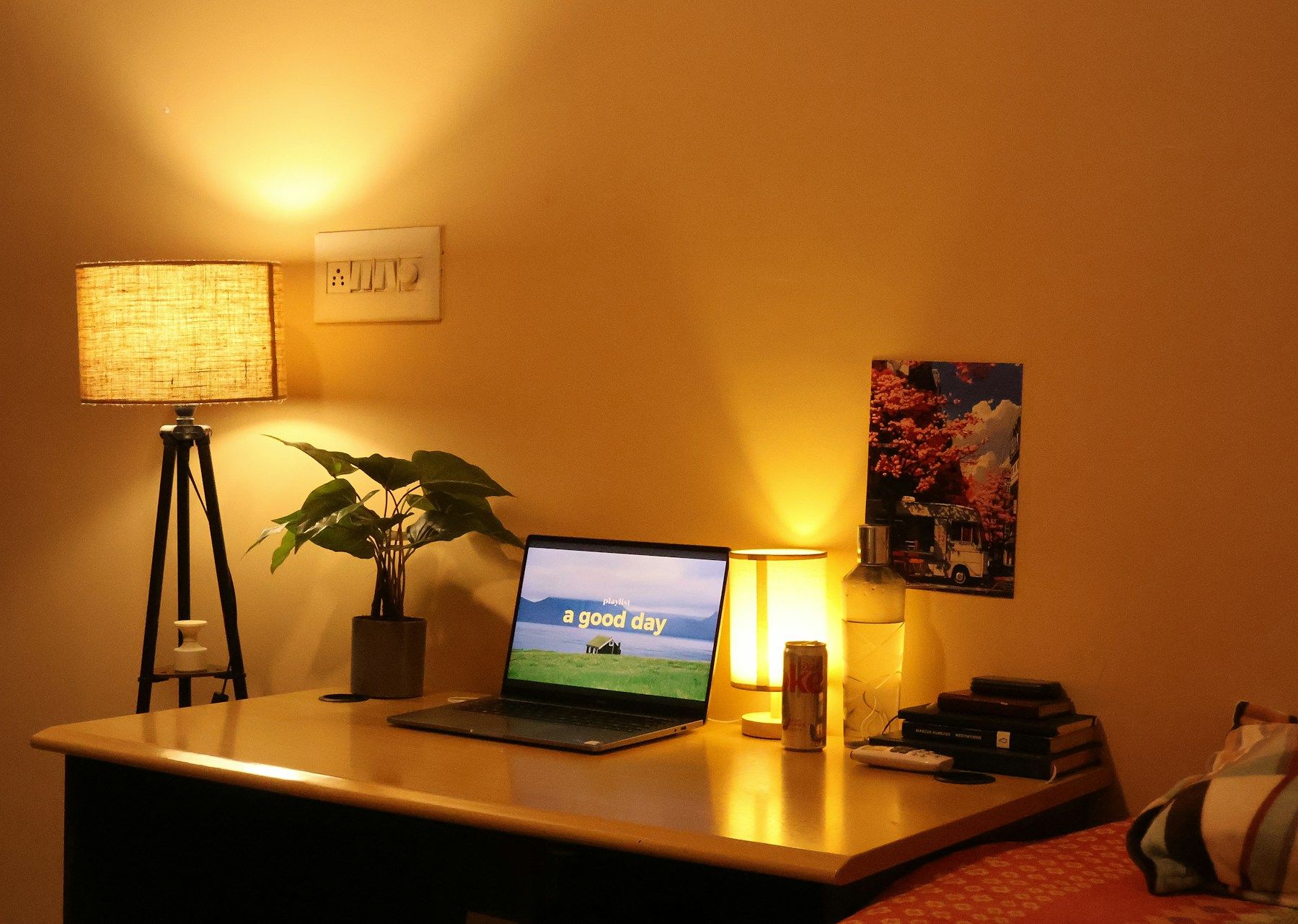
1. Set up your space. Pick somewhere private where you will not be interrupted. Put your phone on silent, close other tabs, and keep a glass of water nearby. If you are at home, earphones help.
2. Test your tech. Check your camera, microphone and connection ten minutes early, using the link you were sent. Keeping a phone hotspot as a backup is a sensible plan.
3. Jot down a few notes. You do not need an essay. Three short lines are plenty:
- What has been on your mind lately?
- What would you like to be different in a few months?
- Is there anything you are nervous about telling someone?
4. Decide what you want to ask. It is fine to ask about their training, how sessions work, and how they handle confidentiality. Good professionals welcome these questions.
5. Give yourself a buffer. Try not to book your first session straight after a stressful meeting. Even ten quiet minutes before and after makes a difference.
During the session
Expect a conversation rather than an interrogation. Most first sessions include:
- A friendly welcome and an explanation of how the sessions work, including confidentiality and its limits
- Questions about what brought you in, and a little about your background
- Some time to talk about what you would like to work on
- An agreement about what happens next, such as how often to meet
It is completely fine to say "I do not know where to start" or "I am nervous." Therapists hear this all the time, and it is a perfectly good place to start from.
You do not have to share everything in the first session. Go at your own pace. If a question feels too much, you can say so.
After the session
Take a few minutes to notice how you feel. A first session can leave you relieved, tired, or a bit raw, and all of those are normal. Then ask yourself:
- Did I feel listened to and respected?
- Did the way they explained things make sense to me?
- Could I imagine talking to this person again?
If the answers are mostly yes, book the next session. If not, that is useful information too. Fit matters, and trying someone else is a normal part of finding the right person, not a failure.
Questions you might want to ask
- How often do you suggest we meet, and for how long?
- How will we know if it is helping?
- What happens if I need to reschedule?
- What do you do if I am struggling between sessions?
Therapy is not an emergency service. If you are in crisis or thinking about harming yourself, call Tele-MANAS on 14416 or 1-800-891-4416 (free, 24x7), or go to the nearest hospital emergency department.
Ready when you are
When you feel ready, browse our experts and read a few profiles. Our Help Center answers questions about booking, rescheduling and privacy. And if you want more background first, read how online therapy works in India.
This article is for general information and is not medical advice.